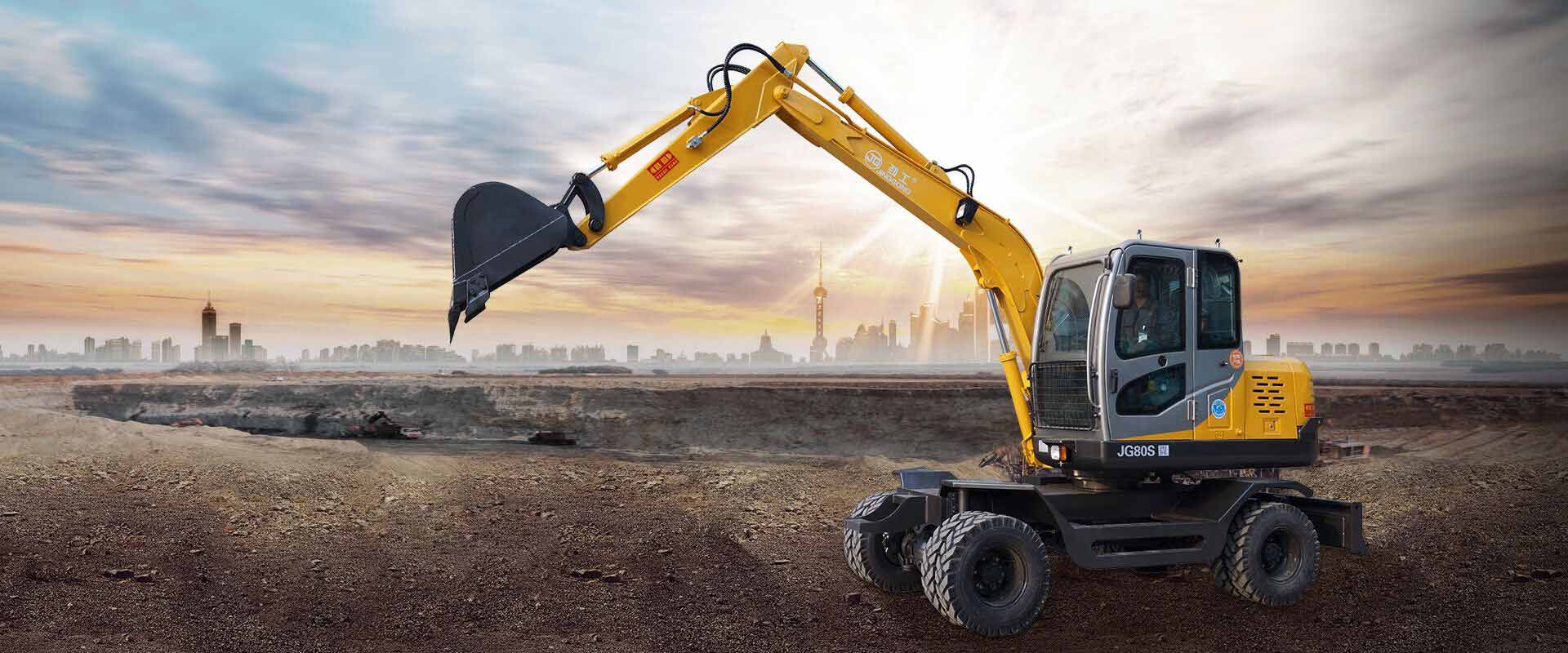
Lokasi konstruksi perkotaan berdenyut dengan energi yang unik. Lokasi-lokasi ini dinamis, seringkali sempit, di mana ruang sangat berharga dan ritme kota tidak pernah berhenti. Memilih ekskavator yang tepat di sini bukan hanya tentang kekuatan – tetapi juga tentang menemukan mitra yang bergerak dengan anggun dalam batasan yang ketat ini sambil menyelesaikan pekerjaan secara efisien. Perdebatan klasik seringkali bermuara pada ekskavator beroda versus ekskavator beroda rantai. Masing-masing membawa kekuatan yang berbeda ke hutan beton, dan memahami nuansa ini adalah kunci untuk membuka produktivitas pada proyek kota Anda berikutnya.
Pertama, pertimbangkan pergerakan di lanskap perkotaan. Excavator beroda unggul ketika kelincahan dan perpindahan cepat sangat penting. Bayangkan bermanuver di antara beberapa lokasi kerja yang tersebar di blok-blok kota, atau perlu melaju cepat di jalan raya yang sibuk menuju lokasi penggalian berikutnya. Kemampuan untuk sekadar menghidupkan mesin dan mengemudi dengan kecepatan jalan raya adalah hal yang mengubah segalanya, secara drastis mengurangi kebutuhan akan truk pengangkut yang mahal dan memakan waktu untuk perpindahan jarak pendek. Rasanya seperti memiliki mitra lincah yang dapat dengan mudah meluncur dari satu tugas ke tugas berikutnya. Excavator crawler, sebaliknya, bergerak dengan tujuan yang terencana dan mantap. Rangka bawahnya yang menggunakan roda rantai menawarkan traksi dan stabilitas yang unggul saat bekerja di tanah yang kasar dan belum diolah, lereng curam yang umum dalam persiapan lokasi, atau lumpur licin setelah hujan. Meskipun mereka membutuhkan transportasi untuk jarak yang signifikan, setelah diposisikan, mereka akan menancap dengan kuat, menjadi kekuatan yang tak tergoyahkan untuk tugas penggalian yang menuntut.
Kemudian ada percakapan penting dengan tanah di bawahnya. Lokasi perkotaan sering berbatasan dengan infrastruktur yang sudah ada, jalan beraspal, trotoar, atau utilitas bawah tanah yang sensitif. Sentuhan lembut ekskavator roda, yang dilengkapi dengan ban jalan, merupakan keuntungan besar di sini. Mereka melintasi permukaan aspal atau beton dengan risiko minimal meninggalkan bekas atau kerusakan yang tidak sedap dipandang, menjaga lingkungan perkotaan di sekitarnya – suatu kebaikan yang sangat dihargai oleh perencana kota dan bisnis di sekitarnya. Roda rantai, meskipun menawarkan cengkeraman dan daya yang luar biasa, memberikan tekanan tanah yang jauh lebih tinggi. Tanpa alas atau perencanaan yang cermat, mereka dapat dengan mudah merusak permukaan yang sudah jadi. Anggaplah mereka sebagai ahli di lahan mentah yang belum dikembangkan, di mana kemampuan mereka untuk mencengkeram dan mendaki sangat penting, tetapi kurang cocok untuk pekerjaan halus di dekat trotoar yang masih mulus atau lempengan beton yang sudah jadi.
Stabilitas dan jangkauan adalah pilar selanjutnya yang perlu dipertimbangkan. Saat menangani fondasi yang dalam, memuat truk bersisi tinggi secara konsisten, atau mengangkat material yang lebih berat pada jangkauan maksimum, stabilitas bawaan ekskavator crawler memberikan kepercayaan diri yang tak terbantahkan. Jejak roda yang lebar menciptakan dasar yang kokoh dan tidak bergerak, memungkinkan operator untuk memaksimalkan kemampuan mesin dengan lebih sedikit kekhawatiran akan terbalik. Stabilitas yang kuat ini adalah kekuatan inti mereka untuk siklus penggalian yang berat dan intensif. Ekskavator roda mengimbangi hal ini dengan keserbagunaan dan jangkauan fungsional yang mengesankan, seringkali menampilkan boom dan lengan yang lebih panjang yang ideal untuk bekerja di atas penghalang, menjangkau ke dalam penggalian yang dalam dari jarak yang lebih aman, atau menangani material secara tepat di ketinggian. Penstabil memberikan stabilisasi penting selama penggalian, tetapi keseluruhan sensasi selama operasi beban tinggi dan jangkauan yang diperpanjang berbeda – sebuah tarian kekuatan dan keseimbangan yang terhitung daripada kekuatan yang murni.
Proyek perkotaan jarang hanya melibatkan satu jenis tugas. Fleksibilitas adalah kunci. Di sinilah ekskavator beroda seringkali unggul. Desainnya secara inheren memungkinkan transisi cepat antar fungsi. Perlengkapan seperti palu hidrolik untuk menghancurkan beton, alat penjepit untuk memilah puing-puing pembongkaran, atau roda pemadatan untuk menimbun kembali parit dapat diganti dengan cepat. Yang terpenting, kemampuan mereka untuk dengan mudah memposisikan ulang dan melakukan berbagai tugas ini tanpa perlu transportasi terus-menerus menjadikan mereka mitra multi-alat yang sangat efisien di berbagai lokasi. Ekskavator crawler adalah spesialis penggalian yang kuat. Meskipun mereka juga dapat menggunakan banyak perlengkapan, kecepatan reposisi mereka yang lebih lambat di lokasi yang terbatas dapat membuat peralihan antara tugas yang berbeda (misalnya, menggali ruang bawah tanah, kemudian pindah untuk menghancurkan lempengan beton yang jauh, lalu meratakan tanah) terasa kurang lancar dibandingkan dengan alternatif beroda yang lincah.
Terakhir, realitas praktis biaya dan operasi harian turut memengaruhi keputusan. Excavator beroda menawarkan efisiensi operasional dalam konteks perkotaan – pergerakan yang lebih cepat antar lokasi di kota berarti lebih sedikit waktu henti dan biaya transportasi yang lebih rendah. Legalitas jalan raya mereka sangat menyederhanakan logistik. Excavator beroda rantai biasanya memiliki harga pembelian awal yang lebih tinggi, dan biaya konstan untuk memindahkannya melalui truk pengangkut untuk setiap pergerakan di luar batas lokasi proyek akan terus bertambah, memengaruhi biaya per jam secara keseluruhan pada proyek-proyek perkotaan yang tersebar. Keunggulan mereka yang tak terbantahkan datang dengan jejak logistik yang membutuhkan perencanaan anggaran yang cermat.
Jadi, ekskavator mana yang layak menyandang gelar terbaik untuk proyek perkotaan? Tidak ada satu pemenang tunggal, hanya alat yang tepat untuk kebutuhan spesifik proyek kota Anda. Jika proyek Anda melibatkan pergerakan konstan di permukaan beraspal, ruang sempit, beragam tugas yang membutuhkan reposisi cepat, dan pelestarian infrastruktur yang ada, ekskavator roda muncul sebagai mitra perkotaan Anda yang lincah, efisien, dan bijaksana. Jika tantangan Anda berkisar pada penggalian dalam dan berat di medan yang sulit dan tidak stabil dalam area proyek yang lebih terbatas yang membutuhkan kekuatan besar dan stabilitas yang tak tergoyahkan, ekskavator crawler tetap menjadi andalan yang tak terbantahkan. Pilihan paling cerdas terletak pada penilaian jujur terhadap medan, tugas, dan tempo tahap konstruksi perkotaan Anda berikutnya. Sesuaikan mesin dengan misi, dan saksikan proyek kota Anda berkembang.
No. 88 Pancuo, Jiaonan Village, HeShi Town, Luojiang District, Quanzhou, Fujian, China
tel : +8618805957336
WhatsApp : +8618805957336
surel : winny@fjjgjx.com
 jaringan ipv6 didukung
 memindai ke WeChat :

 tel : +8618805957336
 surel : winny@fjjgjx.com


 peta situs