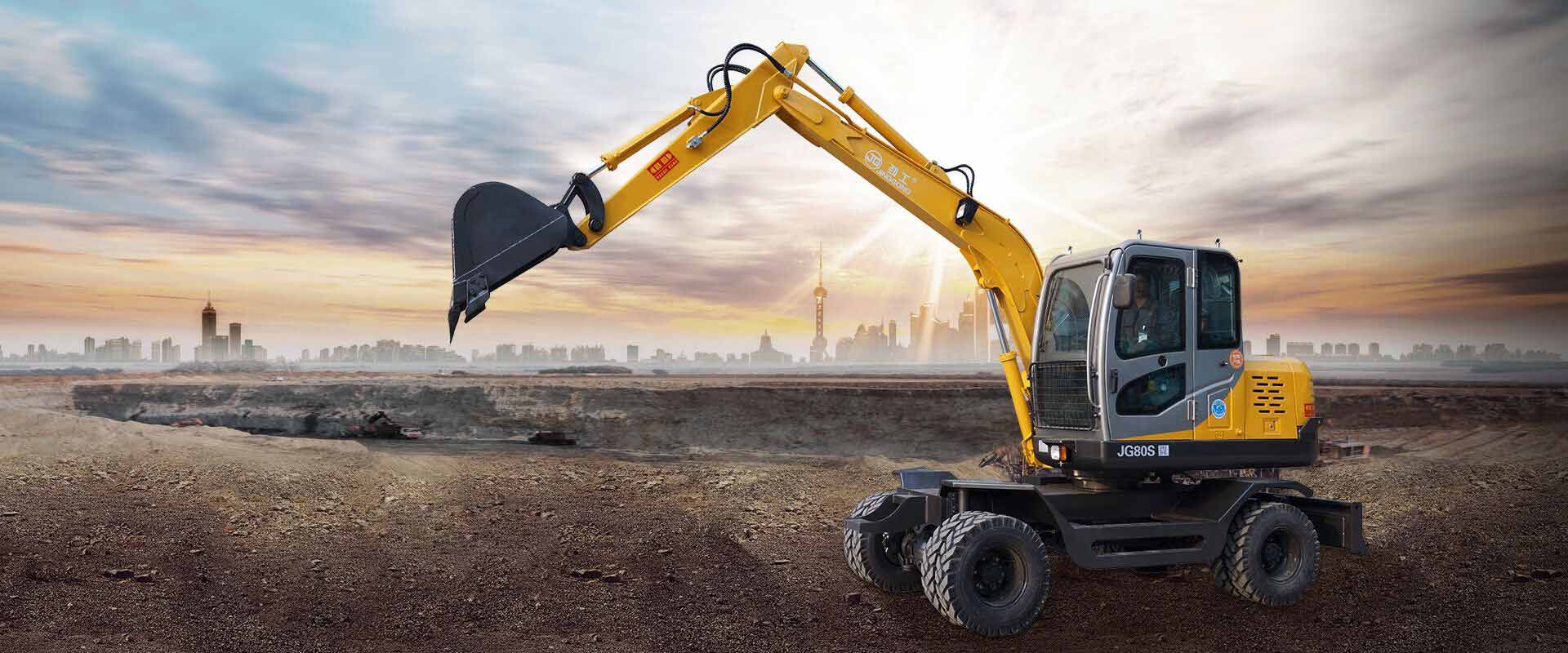
Dalam dunia konstruksi, pertambangan, dan pengembangan infrastruktur yang penuh tuntutan, ekskavator Anda bukan hanya sekadar mesin—tetapi juga investasi modal yang sangat penting. Mengabaikan perawatannya sama saja dengan membiarkan arus kas terkuras setiap kali terjadi waktu henti yang tidak direncanakan. Bagi pembeli internasional yang mencari alat berat, memahami perawatan ekskavator yang komprehensif bukanlah pilihan; ini adalah landasan efisiensi operasional dan profitabilitas jangka panjang. Rutinitas perawatan yang tepat dapat memangkas biaya perbaikan sebesar 25-30%, memperpanjang umur mesin hingga ribuan jam, dan mempertahankan nilai jual kembali bahkan di pasar peralatan bekas yang kompetitif. Mari kita telusuri praktik-praktik penting yang menjaga agar raksasa mekanik ini tetap beroperasi dengan andal di berbagai lokasi kerja di seluruh dunia.
Perawatan Harian dan Mingguan: Garis Pertahanan Pertama
Setiap shift dimulai dengan inspeksi visual yang disiplin. Operator harus secara metodis memeriksa selang hidrolik untuk tanda-tanda keausan, kebocoran, atau abrasi, karena kegagalan hidrolik mendadak menyumbang hampir setengah dari semua waktu henti yang tidak terduga. Ketegangan rantai juga membutuhkan perhatian yang sama—kendur yang tidak tepat (biasanya 40-50 mm) mempercepat keausan bagian bawah sasis, yang dengan sendirinya menghabiskan hingga 35% dari biaya kepemilikan seumur hidup ekskavator. Level cairan—oli mesin, cairan pendingin, dan cairan hidrolik—membutuhkan verifikasi harian menggunakan pengukur yang bersih. Cairan yang terkontaminasi adalah pembunuh senyap; satu persen air dalam oli hidrolik dapat mengurangi masa pakai komponen hingga 75%. Jangan abaikan filter udara; elemen yang tersumbat memaksa mesin bekerja lebih keras, meningkatkan konsumsi bahan bakar dan keausan dini. Terakhir, pelumasan sistematis semua titik pivot dengan gemuk kompleks litium mencegah kegagalan bantalan yang mahal dan menjaga agar perlengkapan seperti bucket dan pemecah beroperasi dengan lancar. Ritual sepuluh menit ini adalah jaminan Anda terhadap kegagalan yang dahsyat.
Pemeliharaan Sistem Hidraulik: Perawatan Presisi untuk Kinerja Puncak
Sistem hidrolik adalah jantung dari ekskavator Anda, yang menggerakkan segala sesuatu mulai dari pergerakan boom hingga rotasi bucket. Melindunginya membutuhkan ketelitian ilmiah. Mulailah dengan integritas fluida: Analisis oli setiap tiga bulan oleh laboratorium bersertifikat untuk memeriksa viskositas, jumlah partikulat (target ISO 4406 Kelas 18/16/13), dan kadar air (jaga di bawah 0,1%) adalah hal yang mutlak. Disiplin filter sama pentingnya—ganti filter hisap dan balik setiap 250 jam operasi, filter tekanan setiap 500 jam. Mengabaikan hal ini akan menyebabkan kontaminasi yang merusak bagian dalam pompa dan katup. Di iklim lembap seperti Asia Tenggara atau lokasi pesisir, pertimbangkan untuk memasang tutup ventilasi pengering untuk mencegah masuknya kelembapan. Untuk armada di daerah dingin, beralih ke cairan hidrolik sintetis mencegah pengentalan viskositas yang membebani pompa selama pengoperasian di musim dingin. Salah satu kontraktor pertambangan Indonesia memangkas penggantian silinder hidrolik hingga 70% hanya dengan mengadopsi pembersihan katup ultrasonik dan beralih ke oli yang dapat terurai secara hayati—bukti bahwa manajemen fluida proaktif memberikan keuntungan yang luar biasa.
Ketahanan Komponen Bawah Kendaraan: Mengubah Pusat Biaya Menjadi Keunggulan Kompetitif
Tambang berbatu, perkebunan berlumpur, atau tundra beku—rangka bawah mesin Anda menanggung beban berat dari medan yang berat. Jika dibiarkan, trek yang tidak sejajar atau roller yang macet dapat menjadi beban yang menguras keuntungan. Operator yang cerdas menyesuaikan komponen dengan kondisi tanah: roller tiga flensa menangkis puing-puing di medan berbatu, sementara trek ekstra lebar mendistribusikan beban di rawa-rawa. Terapkan protokol rotasi yang ketat, tukar idler depan dan belakang setiap 1.000 jam untuk menyamakan pola keausan. Pemeriksaan penyelarasan laser setiap tiga bulan sangat penting; bahkan ketidaksejajaran roller 1 mm dapat melipatgandakan keausan sepatu trek. Untuk mesin yang bekerja di lingkungan abrasif seperti gurun atau lokasi pembongkaran, pelumas rantai trek secara otomatis menyuntikkan gemuk, memperpanjang umur komponen hingga 40%. Selama penutupan musim hujan atau musim dingin, angkat trek dari tanah menggunakan balok kayu untuk mencegah kerusakan dan korosi—langkah sederhana yang mencegah ribuan biaya penggantian suku cadang sebelum waktunya.
Pengawasan Mesin dan Kelistrikan: Strategi Perlindungan Pembangkit Listrik
Mesin Tier 4 Final modern adalah keajaiban efisiensi tetapi membutuhkan perawatan yang teliti. Selain pemeriksaan cairan harian, prioritaskan kualitas bahan bakar—solar yang kotor atau encer adalah penyebab utama kegagalan injektor. Gunakan filter corong saat mengisi bahan bakar dan tambahkan perawatan biosida jika mesin tidak digunakan untuk mencegah pertumbuhan mikroba di dalam tangki. Sistem pendingin membutuhkan perhatian musiman; gunakan refraktometer untuk memverifikasi konsentrasi cairan pendingin, dengan target perlindungan beku -40°C dalam operasi Arktik atau formula anti-kavitasi yang ditingkatkan di lokasi dataran tinggi. Masalah kelistrikan berkembang pesat pada ekskavator yang bergetar hebat. Periksa terminal baterai setiap minggu untuk korosi (bersihkan dengan larutan soda kue), kencangkan sambungan, dan lindungi rangkaian kabel dari abrasi dengan selang pelindung kabel. Di udara pantai yang asin atau tambang tembaga Chili, mengoleskan gemuk dielektrik pada konektor mencegah korsleting korosif yang dapat menyebabkan mesin mogok.
Memanfaatkan Teknologi: Dari Perbaikan Reaktif hingga Kecerdasan Prediktif
Revolusi digital mengubah perawatan dari sekadar tebakan menjadi ilmu yang presisi. Sensor berkemampuan IoT yang tertanam di ekskavator modern terus memantau persentase beban mesin, suhu hidrolik, dan anomali RPM—menandai masalah seperti bantalan pompa yang rusak sebelum mesin berhenti beroperasi. Platform telematika seperti SMARTCONSTRUCTION dari Komatsu atau CAT® Product Link memberikan laporan kesehatan secara real-time ke ponsel Anda, mengotomatiskan peringatan servis berdasarkan data operasi aktual, bukan interval jam yang kaku. Realitas tertambah mengubah perbaikan di lapangan; teknisi yang mengenakan perangkat HoloLens dapat menempatkan manual servis 3D di atas komponen dengan memindai kode QR, mengurangi waktu diagnostik hingga 50%. Buku catatan digital yang diamankan blockchain menciptakan riwayat perawatan yang anti-perubahan, meningkatkan kepercayaan pembeli di pasar penjualan kembali dari Dubai hingga Toronto. Merangkul alat-alat ini bukanlah futurisme—ini adalah cara armada terbaik mencapai tingkat ketersediaan peralatan 95%.
Kesimpulan: Pemeliharaan sebagai Keunggulan Strategis
Di sektor konstruksi global yang sangat memperhatikan margin keuntungan saat ini, perawatan ekskavator melampaui sekadar mekanik—ini adalah strategi bisnis inti. Perawatan yang konsisten melindungi modal Anda, meminimalkan waktu henti yang mengganggu, dan menunjukkan profesionalisme kepada para pemangku kepentingan proyek. Baik Anda mengelola peralatan di ladang minyak Kanada atau perkebunan kelapa sawit Indonesia, prinsip-prinsipnya tetap universal: disiplin dalam pemeriksaan harian, ketelitian dalam pengelolaan cairan, adaptasi terhadap lingkungan operasi, dan pemanfaatan data untuk pengambilan keputusan yang lebih cerdas.
Siap melengkapi armada Anda dengan ketahanan? Jelajahi rangkaian excavator terintegrasi telematika kami—dirancang untuk ketahanan jangka panjang dan didukung oleh jaringan suku cadang global 24/7. Kunjungi halaman produk kami untuk meminta protokol pemeliharaan yang disesuaikan untuk lingkungan operasional Anda.
No. 88 Pancuo, Jiaonan Village, HeShi Town, Luojiang District, Quanzhou, Fujian, China
tel : +8618805957336
WhatsApp : +8618805957336
surel : winny@fjjgjx.com
 jaringan ipv6 didukung
 memindai ke WeChat :

 tel : +8618805957336
 surel : winny@fjjgjx.com


 peta situs