Penambangan bawah tanah menghadirkan lingkungan operasi yang sepenuhnya berbeda dari penggalian permukaan.Terowongan sempit, ruang bebas atas yang terbatas, lantai tidak rata, dan ruang kerja yang terbatas memberikan tuntutan ketat pada peralatan bawah tanah.
Di tambang logam non-ferro seperti emas, tembaga, timbal-seng, nikel, dan timah, pemeliharaan lorong bawah tanah merupakan tugas rutin sepanjang siklus hidup tambang. Setelah peledakan, operator sering perlu menghilangkan batuan lepas, membentuk ulang profil terowongan, membersihkan puing-puing, memperbaiki parit drainase, dan menyiapkan jalan tambang untuk siklus produksi berikutnya.
Secara tradisional, pekerjaan ini memerlukan beberapa mesin berbeda—atau bahkan tenaga kerja manual. Saat ini, mesin rehabilitasi lorong bawah tanah kompak memungkinkan kontraktor menyelesaikan beberapa operasi dengan satu peralatan sekaligus meningkatkan keselamatan dan efisiensi.
Pertanyaannya kini bukan lagi sekadar mesin mana yang harus dibeli, tetapi konfigurasi boom mana yang paling sesuai dengan dimensi lorong bawah tanah.
Mengapa Dimensi Terowongan Harus Menentukan Pemilihan Peralatan
Setiap tambang bawah tanah memiliki dimensi jalan tambang.
Jalur produksi sering kali jauh lebih sempit daripada terowongan pengangkutan utama, sehingga menyisakan ruang yang sangat terbatas untuk pergerakan mesin.
Contoh:
|
Ukuran Terowongan
|
Konfigurasi Mesin yang Direkomendasikan
|
Aplikasi Pertambangan Umum
|
|
2,5–3,0 m
|
Mesin kompak dengan boom berputar tengah
|
Tambang emas, jalur produksi sempit
|
|
3,5–4,5 m
|
Boom berputar tengah + boom teleskopik
|
Tembaga, timbal-seng, tambang polimetalik
|
|
Di atas 5,0 m
|
Peralatan bawah tanah berukuran lebih besar dengan jangkauan panjang
|
Terowongan pengangkutan utama dan ruang bawah tanah
|
Alih-alih membeli mesin terbesar yang tersedia, banyak perusahaan pertambangan kini memilih peralatan berdasarkan profil terowongan yang sebenarnya untuk memaksimalkan kemampuan bermanuver dan efisiensi kerja.
Mengapa Rotasi Boom Tengah Penting di Bawah Tanah
Salah satu tantangan terbesar dalam pertambangan bawah tanah adalah ketidakmampuan untuk memindahkan posisi peralatan dengan mudah.
Tidak seperti penggalian di permukaan, operator sering kali hanya memiliki jarak bebas beberapa sentimeter di setiap sisi mesin.
Sebuah boom berputar tengah mengatasi masalah ini dengan memungkinkan alat kerja berputar secara independen tanpa terus-menerus memindahkan seluruh mesin.
Hal ini memberikan beberapa keuntungan praktis:
-
Menjangkau kedua dinding terowongan dari satu posisi
- Mengurangi pergerakan mesin yang tidak perlu
- Meningkatkan produktivitas di lorong sempit
- Mengurangi kerusakan lantai yang disebabkan oleh pemindahan posisi berulang
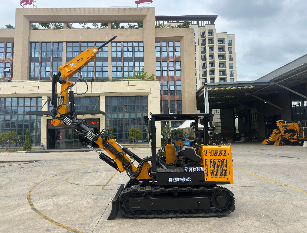
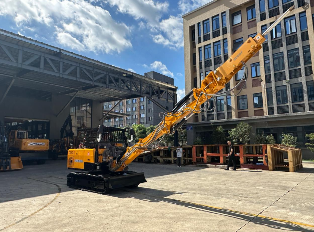
Untuk tambang dengan ruang kerja terbatas, fleksibilitas boom sering kali lebih bernilai daripada ukuran mesin tambahan.
Boom Teleskopik: Ringkas Saat Transportasi, Diperpanjang Saat Operasi
Dimensi transportasi adalah pertimbangan penting lainnya di bawah tanah.
Mesin yang ringkas lebih mudah dipindahkan melalui poros, terowongan akses, dan jalur sempit.
Namun, pekerjaan pemeliharaan sering kali memerlukan jangkauan kerja yang lebih besar saat memperbaiki atap terowongan atau membentuk ulang dinding samping.
Sebuah boom teleskopik menawarkan keseimbangan terbaik antara kedua kebutuhan ini.
Saat bergerak, mesin tetap cukup ringkas untuk melewati jalur bawah tanah yang sempit.
Saat bekerja, boom memanjang untuk memberikan cakupan vertikal dan horizontal yang lebih besar tanpa meningkatkan ukuran keseluruhan pembawa.
Hal ini memungkinkan satu mesin beradaptasi dengan perubahanprofil terowongan di berbagai area pertambangan.
Satu Mesin untuk Berbagai Tugas Pemeliharaan Bawah Tanah
Mesin rehabilitasi bawah tanah modern tidak lagi dirancang untuk satu tujuan saja.
Sebaliknya, kontraktor semakin memilih peralatan yang mampu melakukan beberapa operasi pemeliharaan selama satu giliran kerja.
Aplikasi bawah tanah yang umum meliputi:
-
Penskalaan batuan lepas setelah peledakan
-
Pemangkasan profil terowongan
-
Penggalian parit drainase
-
Pembersihan material galian dan puing
-
Penanganan material kecil
-
Perataan tanah
-
Pemecahan batu dengan attachment hidraulik
Dengan mengurangi jumlah mesin yang diperlukan di bawah tanah, operator dapat menyederhanakan logistik, mengurangi kebutuhan tenaga kerja, dan meningkatkan secara keseluruhan produktivitas tambang.
Ukuran Kompak Menciptakan Keunggulan Besar di Bawah Tanah
Dimensi mesin secara langsung memengaruhi lokasi tempat peralatan dapat beroperasi.
Sebuah mesin rehabilitasi bawah tanah berukuran kompak dengan lebar transportasi sekitar 1,4 meter dan radius putar yang kecil dapat melewati lorong tambang sempit yang tidak dapat dimasuki mesin yang lebih besar. Dikombinasikan dengan struktur atas 360°, sebuah ayunan boom ±35°, dan rotasi boom tengah ±350°, operator dapat menyelesaikan area kerja yang luas sambil meminimalkan pemindahan posisi.
Bagi kontraktor bawah tanah, hal ini sering kali berarti waktu menganggur yang lebih sedikit dan jam kerja yang lebih produktif.
Memilih Peralatan Berdasarkan Tambang, Bukan Lembar Spesifikasi
Saat memilih peralatan pertambangan bawah tanah, mudah untuk membandingkan tenaga mesin atau kapasitas ember.
Namun, produktivitas bawah tanah jauh lebih bergantung pada apakah mesin tersebut sesuai dengan dimensi dan kondisi kerja tambang.
Mesin kompak yang dilengkapi denganboom tengah berputar dan lengan kerja teleskopik sering kali dapat menyelesaikan tugas pemeliharaan lebih cepat daripada mesin yang jauh lebih besar hanya karena mesin tersebut bergerak lebih efisien di dalam ruang terbatas.
Untuk banyak tambang bawah tanah emas, tembaga, timbal-seng, dan tambang logam non-besi, memilih peralatan yang sesuai dengan terowongan—bukan hanya pekerjaan—telah menjadi bagian penting dalam meningkatkan produktivitas dan keselamatan.
Kesimpulan
Sebagai pertambangan bawah tanah terus memprioritaskan mekanisasi, keselamatan, dan efisiensi tenaga kerja, mesin rehabilitasi lorong multifungsi menjadi solusi yang semakin bernilai.
Alih-alih hanya berfokus pada kinerja penggalian, operator tambang modern mencari peralatan yang menggabungkan dimensi yang ringkas, pergerakan boom yang fleksibel, dan kemampuan untuk menyelesaikan berbagai tugas pemeliharaan bawah tanah dengan satu mesin.
Pada akhirnya, mesin rehabilitasi bawah tanah terbaik bukanlah yang terbesar—melainkan yang dirancang untuk bekerja secara efisien dalam dimensi terowongan tempat mesin tersebut beroperasi.
 jaringan ipv6 didukung
 tel : +8618805957336
 surel : winny@fjjgjx.com


 peta situs